

Did you know that online gaming is now one of the fastest-growing industries on the planet? Internet gaming popularity is growing rapidly, with significant growth in Europe and Asia this year. 43% of Chinese Internet users play online games, while only 16% say they shop online. Online gaming revenues have increased from just $800 million to over $2 billion in 1999 as seen on this Indian website.
Until recently, micro-entrepreneurs had no chance of entering the gambling industry due to huge capital investment, purchase of gaming licenses, and legal obstacles. The Internet has removed all of these obstacles. There are only three ways to start an online gambling company:
Expenses

You create and implement all the gambling applications for an online casino, sports betting, and multiplayer poker, which can cost several thousand dollars. You will also have to find a gambling permit to run your online gambling company, which requires approval from several authorities. However, you will have full control over your gambling website and a full domain of the source code of your gaming software.
License
It is a not too expensive decision to start an online gambling company, and you will find all the gambling applications and occasionally the necessary equipment. It is also the most common option for licensed land institutions along with entrepreneurs. The cost of the ordinary license is about $150,000 (this usually includes marketing costs). Typically, the gaming program provider is paid a license fee to receive a percentage of the annual “take” or “fall” (gross profit). Typically, the gaming program provider will already have payment processing (merchant account provider) to purchase a complete turnkey operation.
Affordability
This is the most favorable decision to start an online gambling business. The sub-licensee bills for all advertising and receives a much lower percentage than a full licensee because the royalties paid to the licensee are higher.
To officially manage online gambling operators, the owners of online casinos and poker rooms apply to the autonomous authorities of the countries that allow online gambling and problem gambling licenses. Casinos and poker rooms are registered as foreign gaming operations and the many countries then receive significant licensing fees and tax revenue. Considering that Internet use is spreading across the planet, the online gambling business will continue to develop as one of the most lucrative online business opportunities of the 21st century.


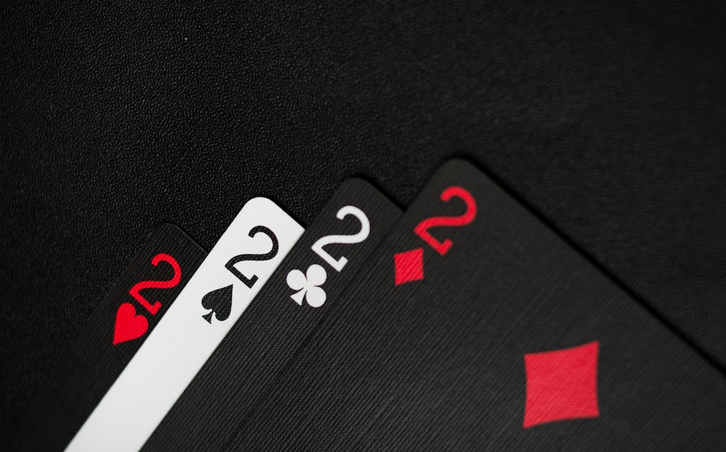 One of casino players’ most common mistakes is choosing the wrong games. There are a lot of different casino games to choose from, and not all of them are equally profitable. One of the most played games today is roulette. But many players are wondering what the difference between online and real roulette. The
  The last mistake casino players make is keeping emotions attached to their
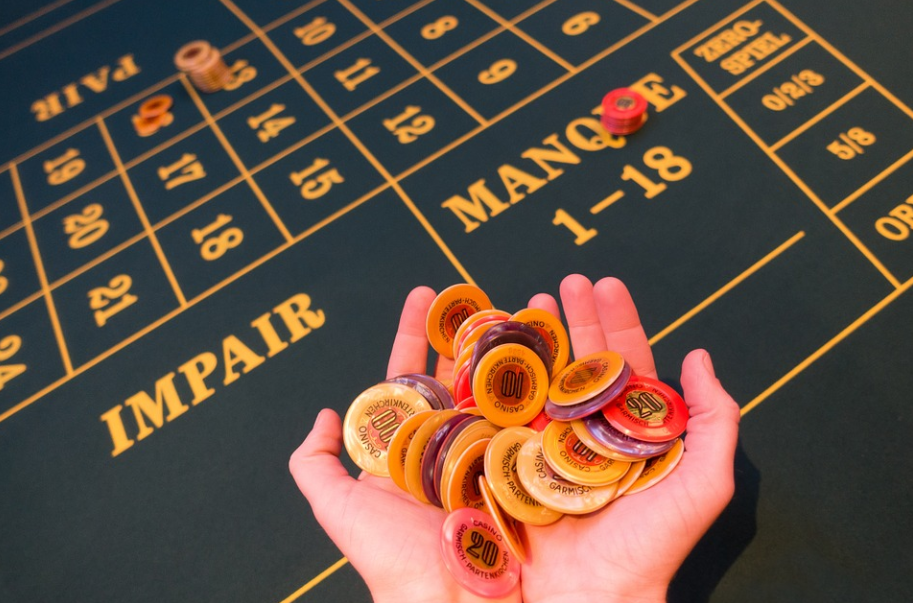
 Before you start having fun, you first need to know when you want to have fun. You should plan out your day on your calendar. It will help you determine when and on what days you can use your free time. Once you have determined these things, plan your time accordingly. Just like you budget money for different purposes, scheduling your time will help you make the best use of your time.
 Since you need to plan your playing time, choose the game wisely. Some games are very time-dependent, such as video poker and live games. The former depends on the availability of live dealers, while the latter is highly dependent on the internet connection. Slower connections can cause videos to take longer to load. If you like promotions, check if your available playing time coincides with promotional periods. That way, when you plan your playing hours, you can be sure to have a lot of fun.