
It is no secret that gambling can easily become an addiction. Although it may seem to many people that casinos and other gambling establishments want to win as much money as possible, even if that means exploiting a person’s weakness, this is not true. Almost all gambling sites on the Internet have several unique tools to help players identify with a gambling problem.
Casinos themselves can do a lot to discourage chronic gamblers from gambling, but they still have the tools to help people who need that help. In addition to HomeBusinessMag article about GamStop, here is an overview of online gambling player self-exclusion: of what it is, how it is used, and how does and does not help.
The Definition
Online gamblers’ self-exclusion has different levels, ways, and means, depending on the website, but they all use the same specific method. Although gambling can be a form of addiction, like all addictions, not all gambling problems can be the same. Some people tend to gamble quite sensibly, but they may find themselves in a situation where they feel they are losing control of their gambling.

Some gamblers will understand if their gambling gets out of control, and may require a self-inflicted ban from the website. This is what they called self-exclusion. There are several types of self-exclusion. Different online gambling facilities operate different platforms, so 1-point self-exclusion generally applies to other programs.
Once a player has excluded himself, his ban can be irrevocable for as long as he has chosen. For example, if he has chosen a 3-month ban, he cannot go back and change it to a 7-day ban. During this period, subscriber accounts may be blocked so that no refunds will be possible.
Permanent Self-Exclusion
 Compared to popular opinion, gambling sites try to help people who run gambling responsibly have fun and discourage people from using their sites. Most online sites will also continue to exercise due diligence to ensure that they cannot simply create another account or use another level. Some online gaming platforms also operate in real-world casinos and gaming facilities. If a player is excluded through an online phase of a company that also operates real-world casinos, the player may also normally be banned from all holdings that perform corporate functions, such as real-world partnerships and digital gaming facilities.
Problems with Self-Exclusion
Most, if not all, responsible gaming platforms can do their best to help customers who have gambling problems, and there are still a variety of issues with even the most difficult self-exclusion programs. At some point, self-exclusion does not prevent the player from registering a completely different problem and continuing his reckless behavior. Also, some requests are less thorough when it comes to interrupting promotional material distribution during a reflection period, which does not help people fight the urge to play during the self-inflicted exclusion period.
There are several applications that subscribers can download for many different devices that block all gaming platforms on their devices, but people who have limitations. For example, unlike a self-exclusion ban applied by the platform itself, many software programs that block gambling websites may be disabled and deactivated by consumers.
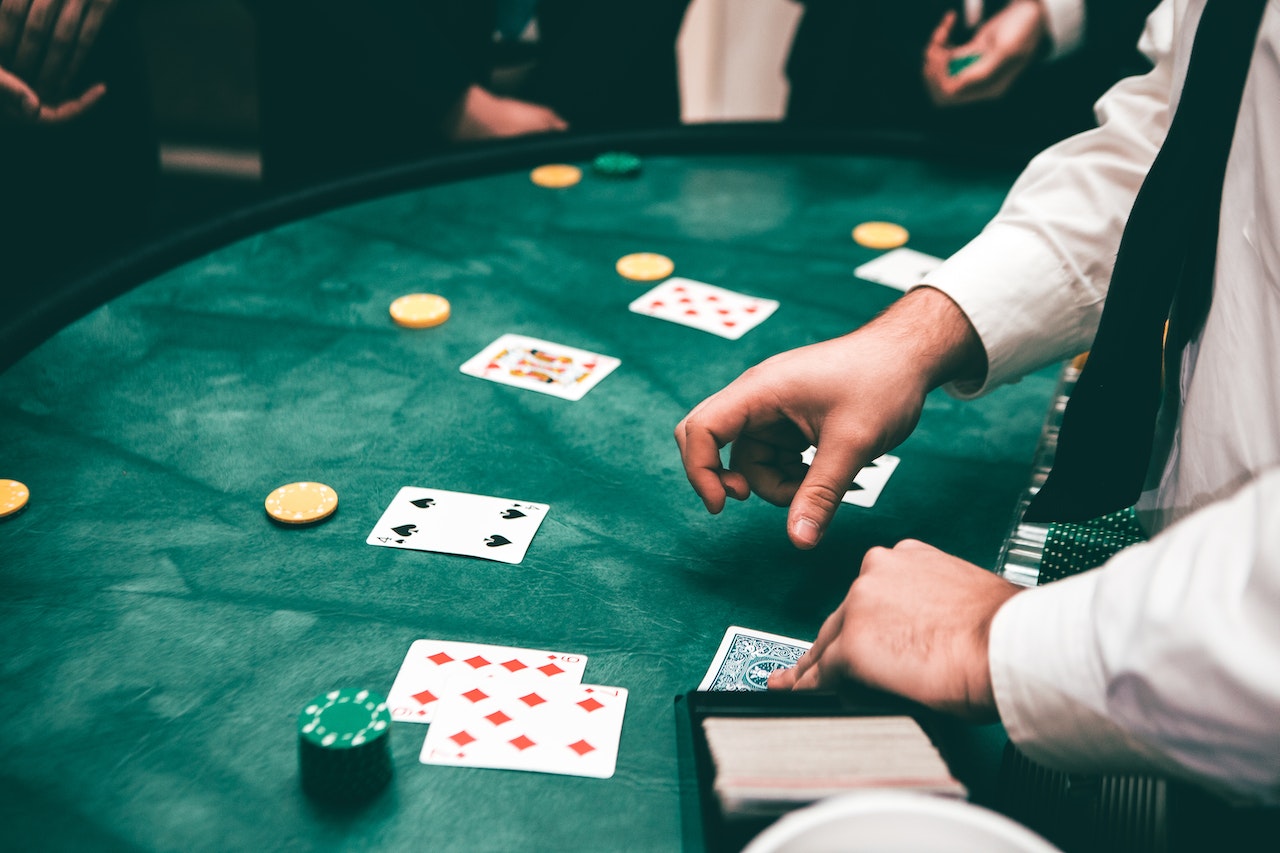
 One of the main reasons people lose money gambling online is because they don’t understand the odds. Casinos make money by setting the odds in their favor. For example, slot machines have a built-in house edge that gives the casino a long-term advantage. It means that, over time, the casino will always come out ahead if you play slots. The same is true for other casino games like blackjack and roulette. If you don’t understand the odds, you’re essentially gambling blind.
 Gambling is a game of chance, so luck plays a significant role in the outcome. But many people make bets based on their emotions rather than logic. For example, they might bet money on their favorite team to win, even if they know the team is an underdog. Making emotional bets is a surefire way to lose money. That’s because you’re not thinking objectively about the odds or the potential outcomes.
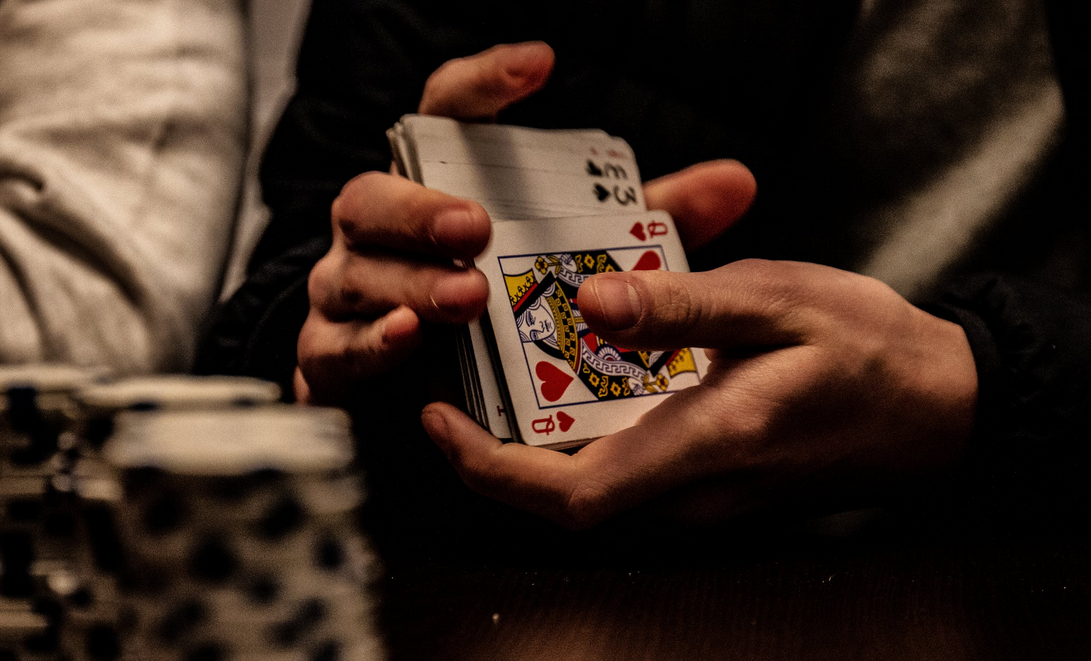
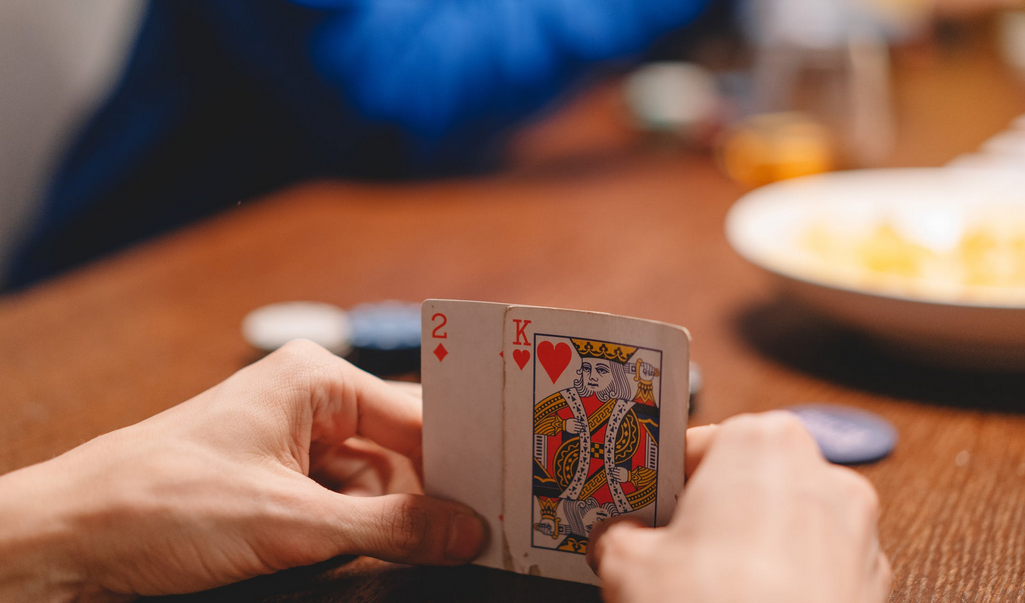 One of the most common ways to cheat at poker is by marking cards. This can be done in several different ways, such as writing on the edges with pencil lead or keeping a slight crease along one edge so that it’ll appear bent when held up against the light. Some players even go so far as to glue small items onto cards – like a small strip of paper or a plastic gem – to mark them.
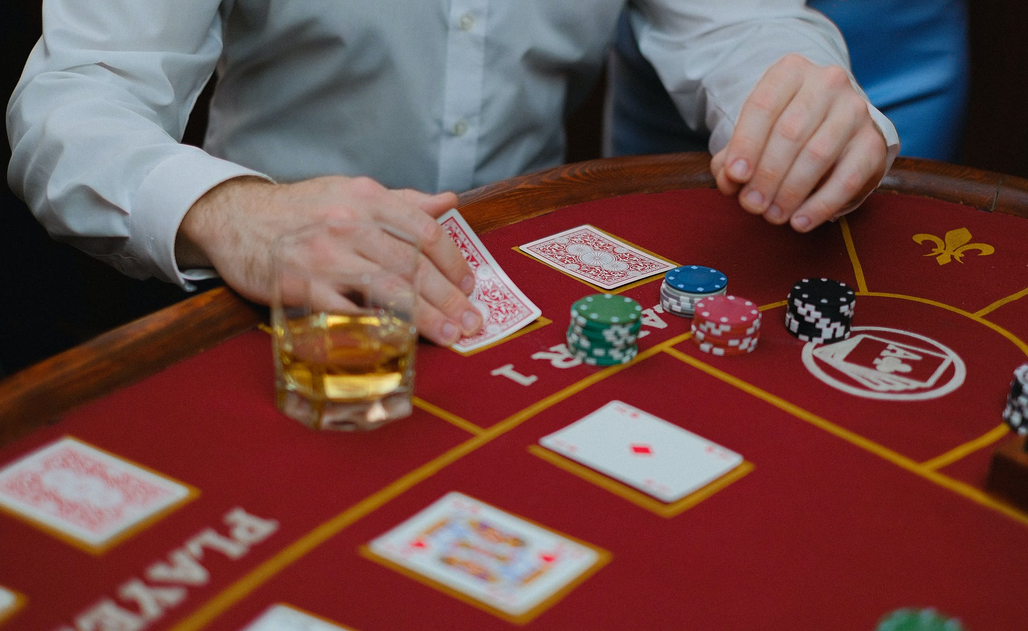 Another way players can cheat at poker is by dumping chips into the pot when they don’t have anything good. This makes it look like they’re betting high, but in reality, they’re just trying to trick other players into thinking they’ve got a great hand so that they’ll bet more themselves. If you think someone might be doing this, make sure to keep track of what they bet. If you notice them betting high with low cards, it might be time for a chat.
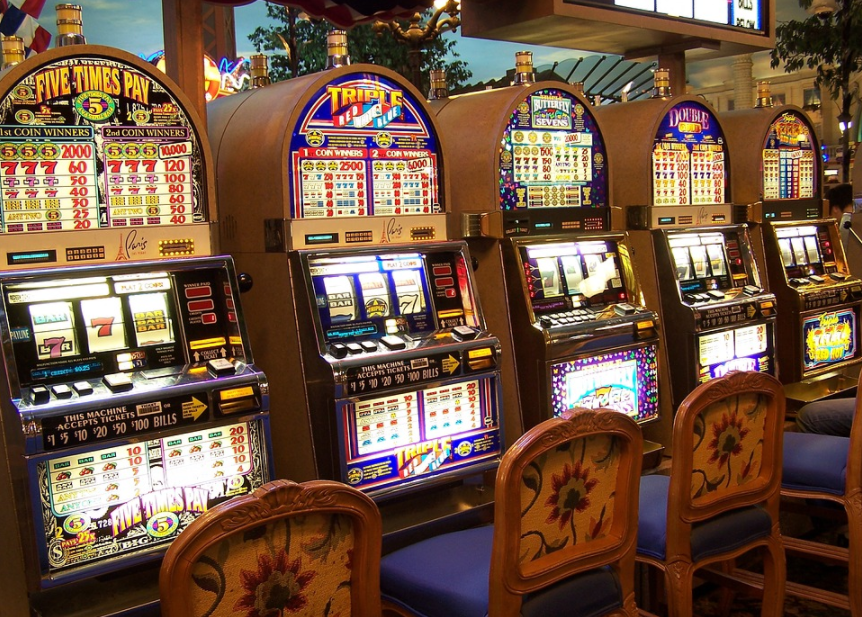
 These slots require a small amount of each spin to grow the jackpot. If they are networked across multiple machines (live) or across many casinos (online), there can be life-changing amounts won in 1 spin. Playing slots online has many advantages. First of all, it is cheaper. Secondly, you don’t have to drive to the casinos and back home. Third, there are many great offers you can enjoy at many online casinos. By signing up, new registrants can get freebies.
 It’s a common mistake for many online players to keep playing a particular slot machine because it gives them more winnings with each spin. If the slot machine you’re playing gives you